

Thinking of a career in ELT in Moldova? It comes highly recommended, says Wayne Trotman.
“Moldova? Where’s that?” was my reaction when the regional ELT director told me he was sending me to Chișinău (“ki-shi-now”), its charming capital. Although I’d got a decent grade at GCE A-level Geography (back in the days when it was possible to fail such exams), I was still more of an expert on sheep farming in New Zealand than the location of increasingly vibrant former Soviet Union republics.
To save you hunting for an atlas, Moldova is the generally unnoticed Eastern European nation nestled between Romania and Ukraine which finally gained its independence in 1991. The total population, including the unrecognised breakaway region of Transnistria to the east, is between 3.0 and 3.3 million; due to mass labour migration, it’s not easy to pin down. Approximately 20% of the nation resides in or near the capital, which is where most ELT related posts are likely to be advertised. Eastern Orthodox Christianity is the predominant religion, practiced by over 90% of Moldovans, which means Christmas and New Year celebrations take place fourteen days later than in western Europe.
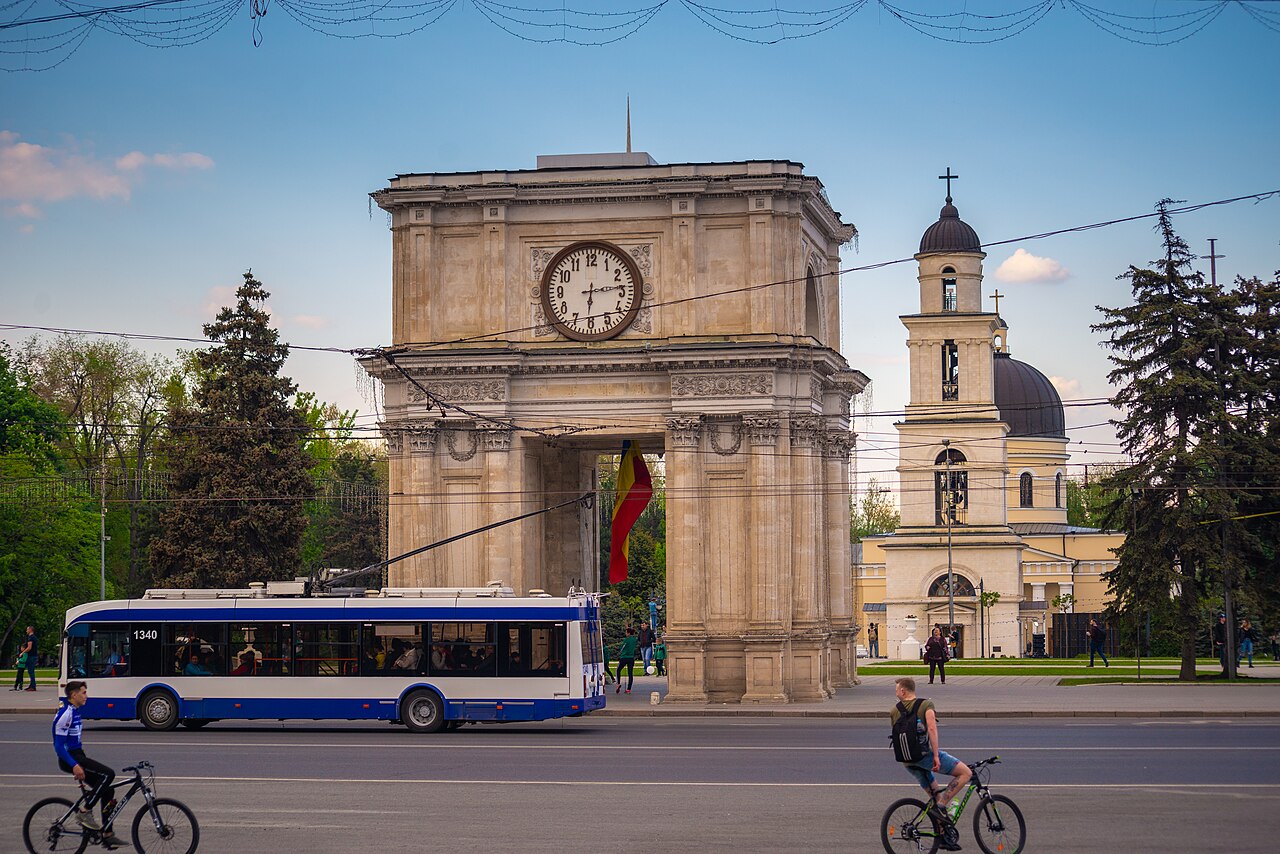
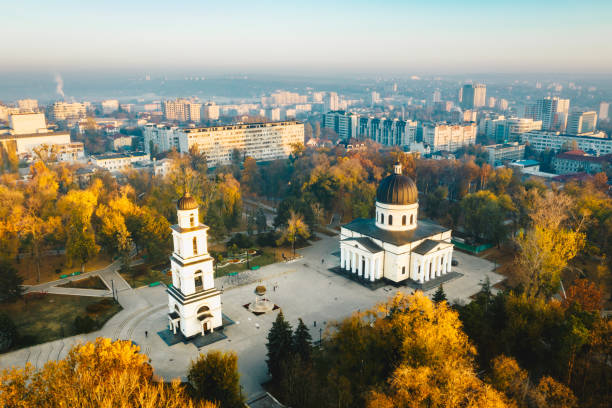
In spite of having the most delightful cathedral and parks right in the centre of the Chișinău, Moldova too often tends to get a bad press. Go to YouTube and you’ll hear in almost every clip that ‘after Ukraine, Moldova is the poorest and least visited country in Europe.’ I’ve visited several times now, and although many pavements are indeed rather challenging, do not let these naysayers put you off. Moldova would be a great place to start your career in ELT. And who knows? You might like to stay forever!
In Chișinău and Bălți (“baltsy”) the second most populated city further north, there is growing demand for qualified English teachers. South of Chișinău lies the small town of Comrat, where ELT posts are sometimes advertised. Apparently rural areas also seek English educators, though opportunities may be less formal and often involve community or volunteer programmes.
Moldova is not (yet) a member of the European Union, so regardless of your citizenship you’ll need a work permit. Due to the red tape involved in getting one it’s advisable to have a job offer in place prior to arrival. If you’ve yet to qualify as a language teacher and you’d like to train there, Alliance Francaise de Moldavie in Chișinău is the only institution offering the CELTA in Moldova. As they also administer Cambridge English exams, you might like to enquire about becoming part of their team. If you plan to work long-term in a private high school, the Heritage International School in Chișinău would be the ideal place to begin your job search.
In recent years Moldova has been increasing its focus on English language education and due to aspirations of closer integration with the European Union, English proficiency is becoming more valued in schools, universities, and professional sectors. In well-known stores, cafes, bars, restaurants and hotels, you’ll notice English is often spoken to an advanced level in Chișinău, but largely by the younger generation. Most Moldovans are bi-lingual, speaking the national language, which is Romanian, but as you’ll also hear a lot of Russian it might be helpful to sign up for tuition in one or both of these if you plan a long-term stay.
The currency in Moldova is the leu (plural: lei). Walking around central Chișinău, you’ll notice there are exchange offices on almost every corner. This is because the economy has historically relied heavily on money sent home from citizens working abroad. Currently, you’ll get approximately twenty lei for one euro, which is enough to buy a small beer or a decent Americano coffee.
The salary of a language teacher varies between locations and employers. Since the average national monthly salary is around 400 GBP, however, teachers should be looking for much more than this unless free accommodation is provided.
Most visitors from overseas will notice that for them, the cost of living is pretty low, and they can live well on a relatively modest budget. However, since locals’ wages are often low, they won’t take too kindly to your comments of “It’s really cheap here”; for them it’s probably not! In recent years inflation has, I am reliably informed, been kept well below 10%.
The most attractive social life is to be found in Chișinău, where many bars and dining spots are open till late. Restaurants such as Divus next to Thomas Albert Hotel and the aptly named bar, Wine Republic just around the corner, are highly recommended.
If you’re thinking of travelling, Bucharest is only five hours south-west by train, but if you’re looking for something much more brutal, go east till you cross into the disputed region of Transnistria and its capital Tiraspol where you’ll think you’ve entered the former Soviet Union. Visitors need to register, but there is no passport stamping involved. If you choose to reside in the capital, the Alexander Pushkin home and museum, the soviet style railway station and the bustling central market are all well worth investigating.
Busy language teachers need to eat wholesome food of course, and Moldova will not disappoint. The national dish is mamaliga, a thick, golden cornmeal porridge highly like Italian polenta, but traditionally cooked to be dense enough to be sliced with a string. Personally, I would recommend other more enticing fare, such as zeama, a creamy chicken soup, or plaçinte – sweet or savoury pie. Both Andy’s and La Plaçinte are the best places for a wide range of local cuisine.
And if like myself, after a long afternoon explaining arcane grammar points you are partial to the occasional glass of wine, then you’ve probably hit the jackpot. Moldova produces some of the best wines in the world and this is its largest export. And get this: Moldova even boasts a National Wine Day (the first weekend in October), when the city shuts down for wine tastings, live music and street food. I can almost hear you leaving to purchase your plane tickets.