


When we empower women and girls though education, we all benefit says Cambridge University Press & Assessment.
To mark International Women’s Day on 8 March, ‘Give to Gain’ emphasised the power of reciprocity and support. When people, organisations, and communities give generously, opportunities and support for women increase.
This is particularly true when it comes to accessing quality education. In many parts of the world, access is particularly limited for women and girls. According to the UNESCO Institute for Statistics data, 122 million girls remain out of school globally, including 34 million of primary school age, and 87 million of secondary school age.
To understand more about how Cambridge English is working to empower learners worldwide, we heard from Francesca Woodward, Global Managing Director for English, and Brigita Seguis, Head of Impact Evaluation, at Cambridge University Press & Assessment.
What does ‘Give to Gain’ mean to you?
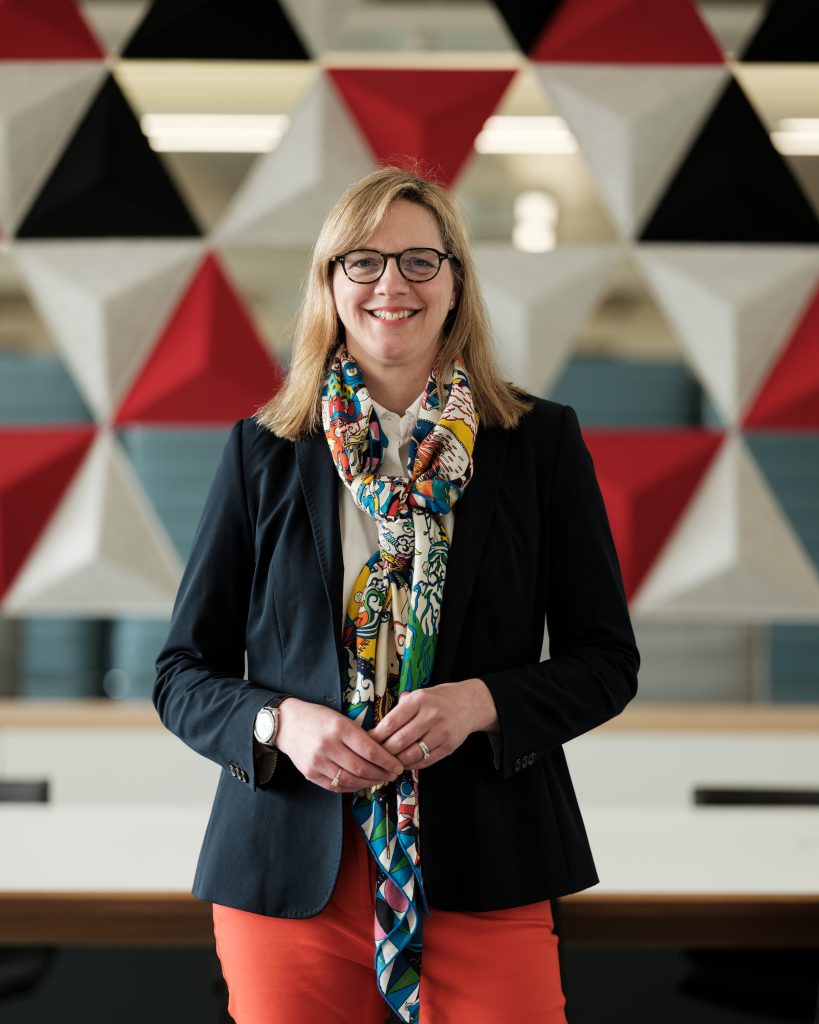
Francesca: For me, as Global Managing Director for English, ‘Give to Gain’ means understanding that when you invest in others, you don’t just help one individual: you strengthen teams, broaden perspectives, and build a more confident and innovative organisation. That collective growth is the real gain.
We see this too in education. ‘Give to Gain’ is about empowering students and encouraging them to grow. With English skills, we can build stronger futures for everyone, opening doors of opportunities for higher education, global citizenship, and careers.
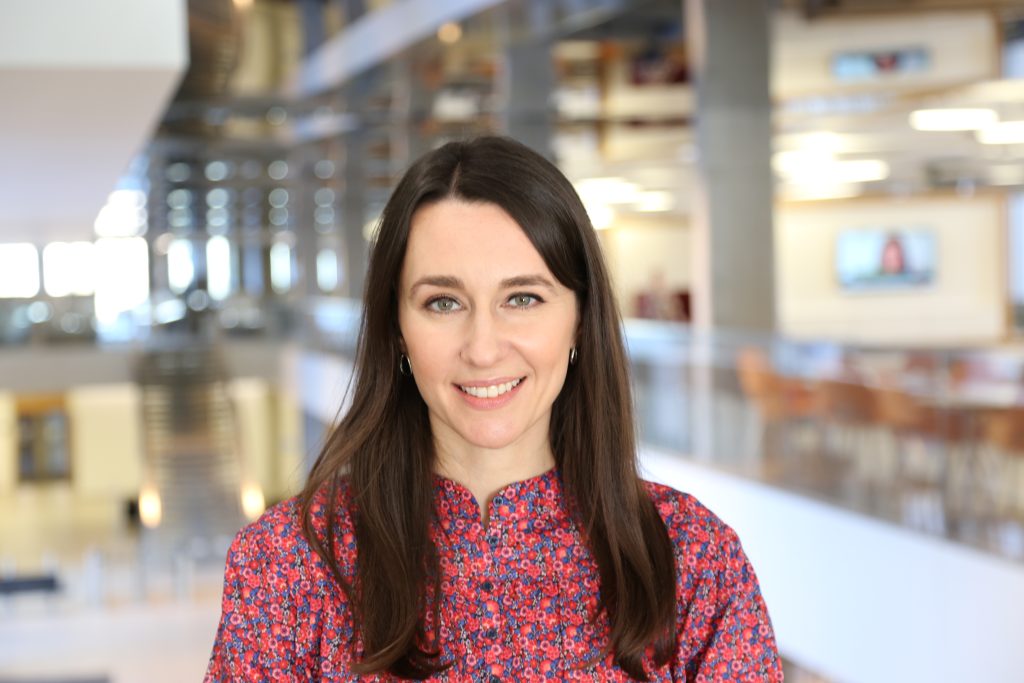
Brigita: To me, ‘Give to Gain’ reflects the idea that progress is rarely individual. Throughout our lives, we are shaped by people who share their time, knowledge and encouragement, often without expecting anything in return. Education operates in much the same way: when opportunity and learning are shared, their impact extends far beyond the individual.
Providing women and girls with access to education, confidence and support does far more than benefit one person. It creates ripple effects across families, communities and future generations. When we invest in educating and empowering girls, we all gain stronger societies and a more equitable future.
Why is access to quality English Language Education so important for women and girls?
Francesca: Even though progress has been made over the last few years, there are still far too many girls who face barriers to their education. English language education is important because it is a stepping stone to broader opportunities. When women and girls have access to English language education, they gain access to networks, opportunities, and social mobility that may not have been possible otherwise.
Beyond individual growth, English language education can help to break barriers in communities where gender disparities remain. Education strengthens girls’ abilities to advocate for themselves, lead, and be part of decision-making conversations. We see this consistently in our impact evaluation work: women will embrace opportunities to access education, understanding the doors it can open for them, their families and their communities.
What doors can English Language Education unlock for women and girls?
Brigita: I have been fortunate to witness firsthand, through our research and evaluation work, the transformative impact that access to English language education can have on women and girls around the world. Two particularly powerful examples come from Afghan women I interviewed as part of two separate studies. Their stories are especially poignant given that Afghanistan remains one of the countries where girls face severe barriers to education, with around 60% of girls out of primary school and 74% excluded from lower-secondary education.
One participant in our study on English learning among immigrant and refugee students in the U.S. was a young Afghan woman whose education was interrupted following the Taliban takeover. Despite having studied science at university and previously running a tailoring business, limited English proficiency restricted her ability to pursue new opportunities after relocating to the United States. Through ongoing English language support, she is now preparing for the GED with ambitions to pursue college studies in web development or accounting. For her, learning English is not simply about acquiring a language. It represents access to further education, economic participation and long-term independence.
A second example involves a young female medical doctor from Afghanistan who was forced to leave the country shortly after graduating due to the deteriorating security situation. After arriving in the UK with her family as part of a resettlement programme, she faced the complex challenge shared by many refugee professionals: rebuilding a career in a new system while navigating displacement, accommodation uncertainty and family responsibilities.
English language learning became a critical step in her professional journey. Developing advanced English communication skills enabled her to progress towards the next stages of professional accreditation and move closer to her goal of working as a General Practitioner in the NHS. Beyond career progression, English proficiency also positioned her as the primary communicator and advocate for her family of nine during resettlement, helping them access healthcare, complete administrative processes, and navigate daily life in a new country.
While each journey is unique, both examples reflect a broader pattern observed across our impact work: English language education often serves as the bridge between disrupted pasts and future opportunity for women affected by conflict and displacement.
What does society gain when it empowers women and girls?
Francesca: English language skills can open doors to higher education, careers, and further, global communication. They enable resilience, confidence and economic independence. Empowerment comes as a natural product of education.
A story that has really stuck with me, and one that is a great example of this, came as part of our collaboration with the charity Breaking Barriers, which helps refugees find employment. An HR professional from Honduras joined the programme after struggling to find suitable work and lacking confidence in her English skills. Through sustained engagement with our digital learning platform, she strengthened her communication skills and was subsequently selected for Shell’s SkillsTransition programme supporting refugees into careers in the energy transition sector, proving her knowledge and skills to herself and those around her.
Stories like this demonstrate how English language education can enable women to rebuild professional identities, expand economic participation, and reimagine their futures after periods of disruption.
How is Cambridge English working to support women and girls though education?
Brigita: At Cambridge English, we have a number of wonderful initiatives with several charities and NGOs, aimed at supporting women and girls around the world.
In India, we have worked for the past two years with the Naandi Foundation, whose programmes predominantly support young women from underprivileged backgrounds, many of whom are first-generation learners whose parents had no formal education. Naandi offers them technical and employability training, work placements and English language education to help improve career prospects. At Cambridge, we have been supporting this work through the Upskill test, which helps place learners at the appropriate language level. The resulting assessment data is also used to inform programme improvement and target setting each year.
In the UK, as Francesca mentioned, we partner with the charity Breaking Barriers to support refugee professionals into employment through access to free digital English learning materials. While the programme supports both men and women, flexible language learning can be particularly impactful for refugee women, who often face additional barriers to workforce re-entry following displacement, including childcare responsibilities and reduced professional confidence.
Globally, Cambridge English has a longstanding partnership with Jesuit Worldwide Learning through their Global English Language (GEL) Programme, which delivers high-quality English courses to learners in marginalised and crisis-affected communities across Latin America, Africa, Asia and the Middle East. The programme supports young people living in excluded contexts, including forcibly displaced learners, returnees and indigenous communities.
All these initiatives are linked by a common theme: English language education is not simply about learning a language. It provides access to education, employment, confidence and global participation. By supporting women and girls to develop communication skills and pursue their ambitions, we help create stronger communities and contribute to greater gender equity worldwide.